The Kitchen Table Is Not a Rehearsal Room: Brighton’s Music Scene Needs Space to Make Noise
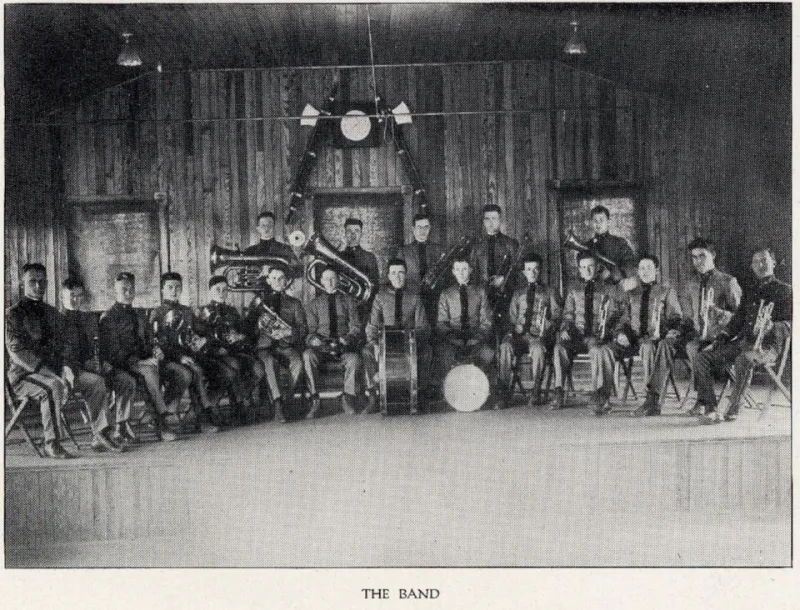
Photo: University of Maryland,, Mighty Sound of Maryland formerly Maryland Agricultural College Cadet Band and The Big Red and White Marching Band, CC BY-SA 4.0, via Wikimedia Commons
Brighton loves a stage. We have the seafront, the venues, the festival posters, the late-night queues for chips. But behind every band on a stage is a room where they learned to play together. And those rooms are getting harder to find.
The gig is the easy part
A gig is visible. A rehearsal is not. You can sell tickets for a show. You cannot sell tickets for four people in a damp basement working out whether the bridge should come before the second chorus. That is why rehearsal space keeps falling through the cracks of cultural funding. It is the unglamorous, unphotogenic, absolutely essential bit of the music ecology. Without it, the pipeline narrows. Youth music groups lose their weekly anchor. Theatre makers rehearse in living rooms. Bands pay by the hour to stand in a cold unit in Portslade and hope the neighbours do not complain.
We are not short of talent in Brighton and Hove. We are short of somewhere to be loud.
A map with holes in it
Ask around and the same story comes back. The railway arches that once hosted drum kits have been reworked for other uses. The cheap industrial units off Lewes Road have thinned out. Church halls and community centres still exist, but booking them is a patchwork of phone calls, caretaker availability and inconsistent rates. School halls are technically there, yet safeguarding, timetabling and evening staffing make them hard to unlock for a teenage band with no formal constitution.
What remains is a mix of commercial studios, a few community spaces and a lot of goodwill. None of it adds up to a coherent offer. A choir in Whitehawk, a grime collective in Moulsecoomb and a theatre company in Hangleton are all competing for the same small pool of rooms, often without knowing what the others have already booked. The map is not just sparse. It is fragmented.
Noise is not the enemy — bad soundproofing is
It is easy to frame rehearsal space as a battle between music and residents. That is the wrong fight. The real issue is acoustic design and enforcement. Under UK environmental health rules, noise nuisance is a legitimate concern. Nobody wants a late-night metal band under their bedroom window. But a properly soundproofed room is not a nuisance. It is infrastructure.
Soundproofing costs money. A basic acoustic fit-out can run into thousands of pounds before you have bought a single microphone stand. Doors, floors, ventilation and floating rooms all matter. For a small arts group, that is a barrier. For a landlord, it is a reason to choose storage over culture. The result is that the city loses potential rehearsal rooms not because they are unwanted, but because the numbers do not stack up without help.
Empty buildings are not rehearsal rooms
Brighton has empty commercial units. It also has a housing crisis and a property market that rewards conversion. A vacant shop is not automatically a studio. It needs fire safety, accessibility, insurance, a lease and some guarantee that the noise will not travel. Meanwhile-use schemes can help, but they need acoustic support and clear terms. Otherwise we are just moving the problem around the city.
What a rehearsal funding line would look like
This is where a small, dedicated funding line could change the picture. Not a grand capital programme. A practical rehearsal-space fund, open to music groups, theatre makers, youth organisations and community venues. It could cover soundproofing contributions, rent deposits, basic equipment and subsidised off-peak hours. It could prioritise groups working with young people, disabled artists and neighbourhoods with less cultural infrastructure.
Alongside the money, Brighton and Hove needs a shared booking scheme. One place to see what council-owned halls, school spaces, church rooms and community centres are available. Transparent rates. Off-peak slots. A simple way for a band to book a Tuesday evening without three weeks of phone tag. This is not glamorous work. It is the plumbing of culture. But plumbing is what makes the rest of the building usable.
Before the next festival season
The next Brighton Festival, Fringe, Great Escape and Pride will arrive faster than we think. They will need acts who have had somewhere to practise in the colder months. They will need youth groups who have kept meeting. They will need theatre makers who have been able to run a full tech without hiring a room at commercial rates. If we wait until the posters go up, we will be asking artists to conjure a show out of thin air again.
As a commission, we are interested in the places where culture actually happens — not just the places where it is announced. Rehearsal space is one of those places. It is where confidence is built, where collaborations start and where the next headline act learns how to hold a room.
A city that makes noise needs somewhere to make it. Brighton can fund another stage. It should also fund the room before the stage. Otherwise the kitchen table becomes the venue, the car becomes the green room, and the scene that everyone loves gets quieter by default.