Budgets Don't Lie: The Hidden Hours Behind Every Brighton Culture Grant
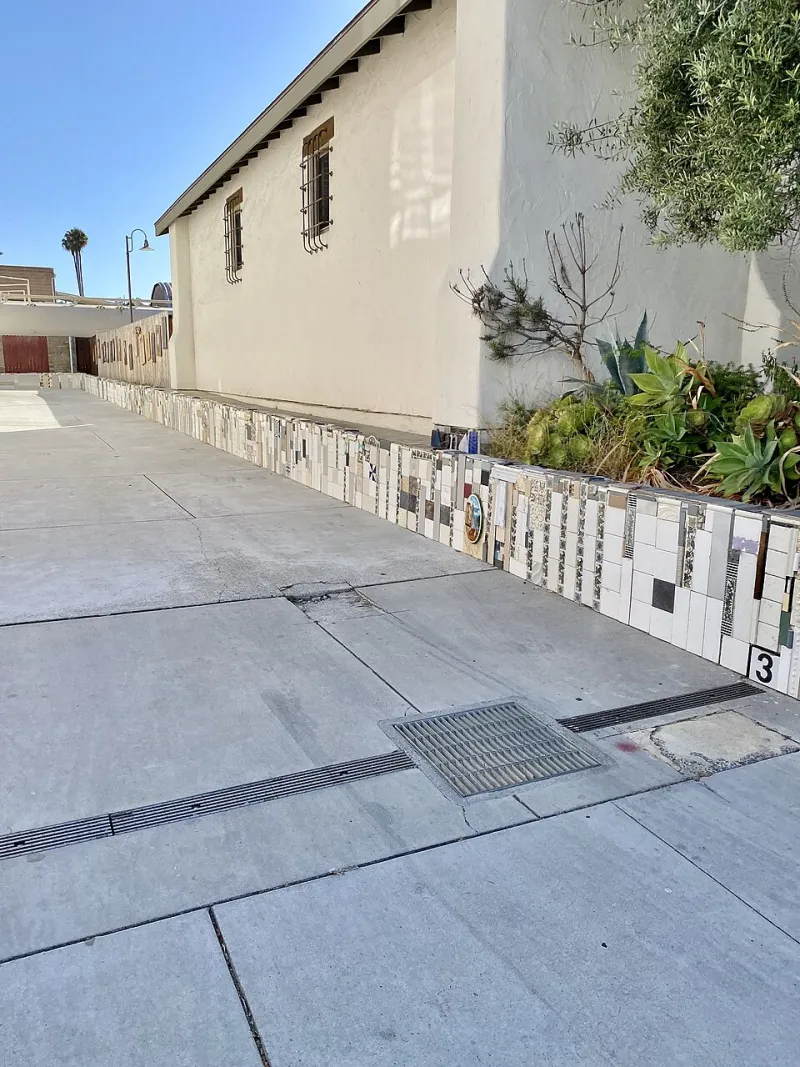
Photo: Warren LeMay from Chicago, IL, United States, CC BY-SA 2.0, via Wikimedia Commons
There's a particular kind of Brighton evening that nobody puts on a poster. The show is at seven. At half five, someone is crouched over a laptop in a damp basement room, updating a risk assessment because the fire exit route changed, cross-checking public liability cover, and trying to remember whether the access audit said the ramp needs a handrail or just a better sign. The artists are soundchecking. The audience is buying drinks. The admin is holding the ceiling up.
We talk a lot about Brighton & Hove's cultural ecology as if it were made of stages, studios and seafront arches. It is. But it's also made of spreadsheets. And the spreadsheets are unpaid.
The work that doesn't get a credit
Ask anyone who runs a small culture organisation in this city what they actually did last week and you'll get a list that looks nothing like the funding bid. They'll have chased a late invoice from a funder. They'll have reconciled a box office that uses three different systems and a cash tin. They'll have done a safeguarding check, updated a GDPR register, renewed a licence, written a method statement for a rigging company, and spent forty minutes on the phone to an insurer explaining that yes, the workshop involves hot glue, and no, it isn't a firework display.
None of that is glamorous. All of it is compulsory. And almost none of it appears in a grant budget as a line item, because the form doesn't ask for it and the assessor doesn't expect it.
So it gets absorbed. By the director who is also the box office. By the producer who is also the access lead. By the volunteer coordinator who is also the person doing the DBS checks at eleven at night. The sector calls this 'being resourceful'. A more honest word is 'subsidising'.
What happens when admin isn't funded
The consequences aren't abstract. They show up as projects that can't scale, because the person holding the admin can't hold anything else. They show up as artists turning down opportunities because the paperwork is unpaid and they've already got a part-time job. They show up as organisations that fold after one bad audit, not because the art was bad but because the compliance was thin.
We've heard versions of this from a community choir in Hangleton that spent more time on its licence variation than on its rehearsal plan. From a fabric workshop in Moulsecoomb where the access audit was done for free by a participant's parent, because there was no budget line for it. From a seafront venue that lost two days of programming to a box-office reconciliation error that a paid administrator would have caught in an hour.
These aren't failure stories. They're improvisation stories. But improvisation has a ceiling, and Brighton keeps hitting it.
The core-costs blind spot
Funders have got better at paying artists. They've got worse at paying for the conditions that let artists work. A grant might cover a fee, materials, venue hire and a modest marketing pot, then leave 'project management' as an afterthought or a percentage so small it's essentially a gesture. Risk assessments, insurance, access provision, licensing, financial reconciliation, evaluation and reporting are treated as things that happen naturally, like weather.
They don't. They take hours. They take expertise. And when they're not funded, they're either done badly or done for free by someone who should be doing something else — usually the same someone who is already doing three other jobs.
This is especially acute in a city where so much cultural activity happens in non-standard spaces. A shopfront. A church hall. A room above a pub. An arch. The more unusual the venue, the more admin it generates. You don't just need a risk assessment; you need a risk assessment that satisfies a landlord, an insurer and a licensing authority who have never seen a show in that building before.
What a realistic line looks like
We're not arguing for a bureaucratic wishlist. We're arguing for honesty. If a project needs twelve days of coordination, pay for twelve days of coordination. If it needs an access audit, fund the audit and the time to act on it. If it needs someone to reconcile the box office, put it in the budget instead of pretending the box office reconciles itself.
A core-costs line doesn't have to be enormous. It has to be visible. It should cover the unglamorous scaffolding: insurance, licences, safeguarding, data protection, financial administration, evaluation, reporting, and the time to do them properly. It should be costed at a real hourly rate, not a symbolic one. And it should be treated as eligible expenditure, not as evidence that the applicant doesn't trust the art to speak for itself.
At Brighton & Hove Arts Commission, we're as guilty as anyone of celebrating the visible. We write about launch nights and public programmes and the moment a project meets its audience. But the launch night is the tip of an iceberg made of checklists. If we want a culture sector that lasts, we have to fund the part that holds the rest up.
Admin as infrastructure
The progressive argument here isn't about paperwork for its own sake. It's about who gets to make art in this city. When admin is unpaid, it selects for people who can afford to do it for free — or people who are willing to burn themselves out doing it at midnight. That's not a meritocracy. It's a filter.
Paying for core costs is a way of widening the door. It means a disabled artist can budget for access work instead of absorbing it. It means a small organisation can hire a competent administrator instead of relying on a volunteer's goodwill. It means a project can survive a change of personnel without losing its compliance history.
Admin is infrastructure. And in Brighton & Hove, our infrastructure is tired.
So here's a small proposal for every funder reading this, including us: before you sign off the next round, look at the budget and ask where the admin is. If it's not there, ask why. If the answer is 'we'll absorb it', that's not resilience. That's a warning sign. Fund the paperwork. The art depends on it.