A City That Whispers: Brighton’s Creative Opportunities Need a Public Square
There is a particular kind of Brighton sadness that arrives on a wet Tuesday in November. A dancer in Portslade misses an open call because it was posted on Instagram at 9pm and buried by lunchtime. A youth theatre in Whitehawk hears about a small grant two days after the deadline. A maker in Hangleton never sees the listing at all, because it only ever existed in a WhatsApp group they were not in.
None of this is a talent problem. It is a distribution problem. And it is the kind of problem a city can fix if it stops treating opportunity as a private conversation.
The noticeboard is not the venue
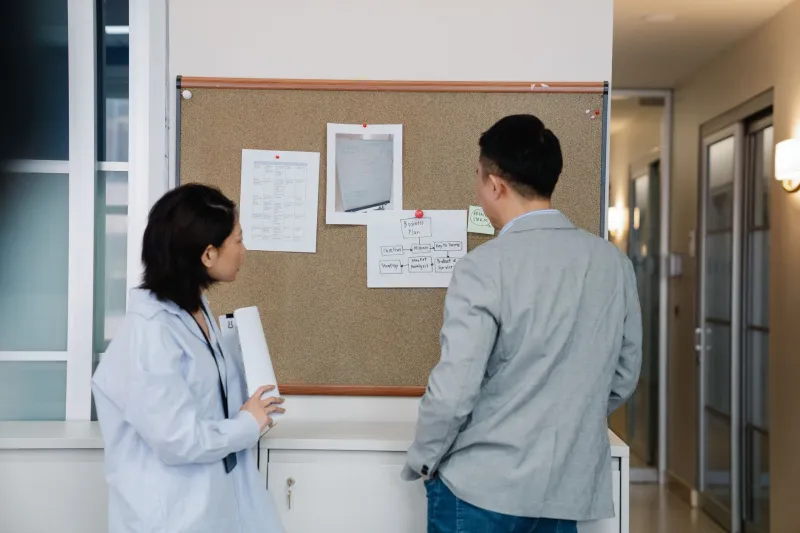
A noticeboard sounds modest, almost retro. A cork board by the loo, a laminated sheet in a library foyer, a PDF that nobody opens. But if it is done properly, a civic cultural noticeboard is not furniture. It is a public address system. It changes who gets to hear.
We already understand that venues, rehearsal rooms, festivals and workspace are infrastructure. We fund them, argue about them, mourn them when they go. Opportunity is infrastructure too. The route by which a person finds out about a paid workshop, an audition, a residency or a £500 micro-grant is part of the cultural ecology. If that route is broken, the opportunity might as well not exist.
What we have now is a maze of good intentions
Brighton & Hove is not short of people sharing things. There are newsletters, Instagram stories, Facebook groups, mailing lists, PDFs, council web pages, noticeboards in cafés, and a hundred closed WhatsApp groups doing quiet, generous work. Some of it is excellent. None of it joins up.
The result is that the people with the most social capital get the most. The well-networked hear first. The people outside those loops — disabled artists, carers, parents with small children, people on low incomes, people without reliable broadband, new arrivals, young people who are not on the right feed — hear last or never. Not because they are not looking. Because the city whispers.
This is not about blaming anyone. Most of the sharing is unpaid and improvised. But improvisation has a cost, and the cost is paid by the people who can least afford to miss out.
A civic noticeboard, not another platform
We are not arguing for another app. Brighton does not need a new login, a new algorithm, or a new dashboard that looks lovely and dies in eighteen months. We need a simple public layer over what already exists.
Digital first, but not digital only. One clear website with plain text, large print, audio versions, easy-read summaries and translation. No login to browse. An email digest and an RSS feed. A text and WhatsApp broadcast for people who do not live in their inbox. And a weekly printed sheet — call it Opportunity Post, or something less worthy — distributed through libraries, community centres, corner shops, launderettes, barbers, food banks, school gates and GP waiting rooms. Tear-off tabs. Real deadlines. A phone number a human answers.
But the digital and physical bits are only half of it. The other half is people. Paid community connectors in each neighbourhood — not consultants, not volunteers with a clipboard, but locals who already know how to reach people. They would call groups, read listings aloud, help someone fill in a form, and tell the centre when a deadline is badly timed. That is access work, and it should be paid.
Run with people, not at them
The biggest risk is that a civic noticeboard becomes another thing done to artists and community groups rather than with them. So the stewardship has to be shared. A small editorial board made up of artists, community groups, library staff, council officers and funders, with a rotating chair and published minutes. No pay-to-post. No sponsored listings buried in the feed. Plain English standards. Deadlines checked before publication. A clear route to complain when something is wrong.
The council has a role, but it should not own the whole thing. Council comms are stretched, and a purely official feed is not trusted by everyone. Libraries are trusted physical infrastructure. Community groups are trusted messengers. Artists are trusted peers. Bring those three together and let them run it.
The bit funders should like
This is not glamorous. It will not produce a viral mural or a headline festival. But it makes every other grant go further. If you fund thirty projects and only three hundred people hear about them, that is poor value. A functioning noticeboard increases reach, improves take-up, and reduces the endless duplication of people running separate listings.
It needs core funding, not a one-off project grant. Pay the editor. Pay the connectors. Pay for print, translation, SMS and accessible web hosting. Evaluate it by asking whether the people who needed it heard it — not by counting clicks. Funders could also make a simple ask of publicly funded opportunities: publish your open call in the civic noticeboard. Not as a hoop to jump through. As a shared utility. If public money is paying for the opportunity, the public should be able to find it.
What would it take?
A twelve-month pilot. One editor, four part-time neighbourhood connectors, a print run, a simple accessible website, a translation budget and a text broadcast. Host it with the library network and a partnership of community groups. Ask Brighton’s existing newsletters and radio to syndicate the listings. Ask venues to display the print sheet. Ask artists to submit. Then test it in the places where information usually arrives last: Whitehawk, Hangleton, Moulsecoomb, Portslade, Kemptown, North Laine and the streets in between.
The test is not a beautiful website. The test is a carer in Hangleton hearing about a paid workshop before the deadline. A teenager in Whitehawk getting an audition notice through a youth club. A disabled artist in Kemptown getting the call in audio format. If we can do that, the noticeboard stops being a noticeboard. It becomes infrastructure. A public square for opportunity.
Brighton & Hove does not have a shortage of cultural opportunity. It has a shortage of ways to hear about it. Let’s stop whispering.