Windows of Opportunity: Why Brighton's Shopfronts Beat the White Cube
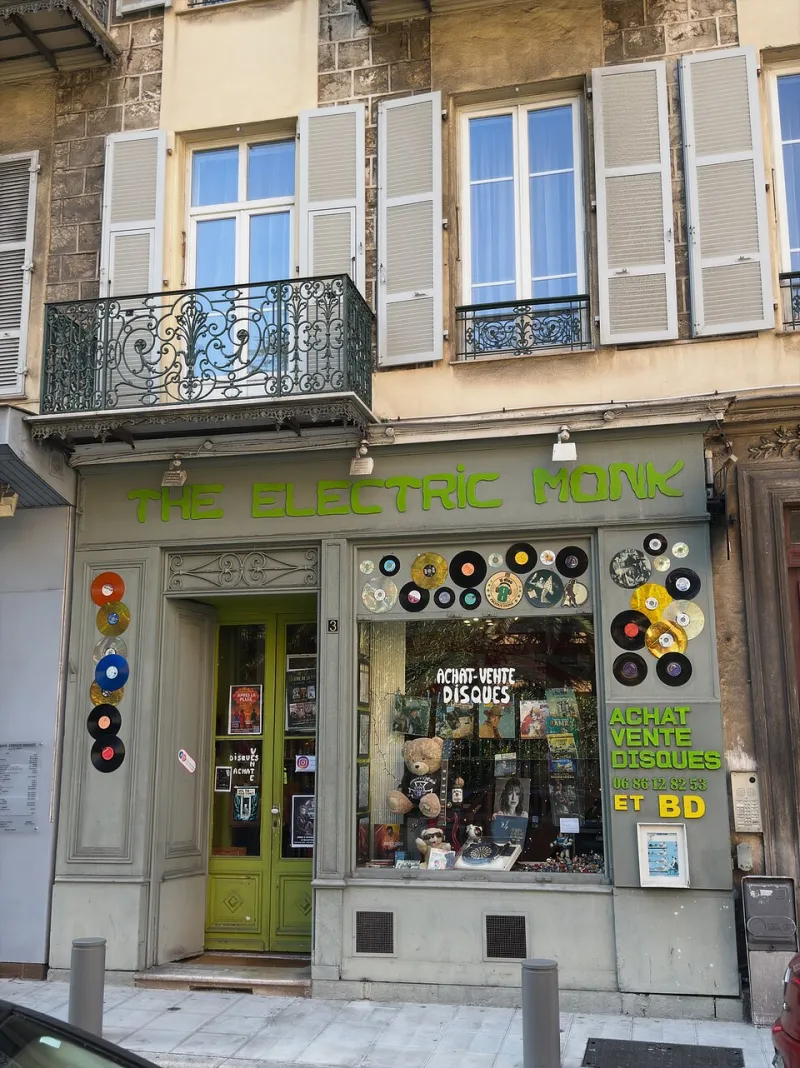
Photo: Mike is Michi, CC BY-SA 4.0, via Wikimedia Commons
There's a hardware shop on Portland Road where the window display has, for four months now, been ceramics. Small ones, unglazed on the outside and bright as anything within, arranged on offcuts of timber beside a bucket of masonry nails. They sell — not quickly, but steadily, at prices between £18 and £160. The shop takes no commission. The artist restocks on a Tuesday. And the last time I stood outside looking in, three separate people stopped to look with me, which is three more than usually stop outside a hardware shop in the rain in November.
This is not a scheme. Nobody commissioned it, nobody wrote a strategy document, and there's no logo on the glass. It's just a shopkeeper with a big window, an artist with a phone, and a conversation that took about eleven minutes.
Brighton & Hove has never been short of places to look at art. We've got the white-cube rooms of North Laine, the seafront programming, the Open Houses every May, and a degree-show circuit that keeps the city's walls busy all summer. What we've historically lacked is art where people already are: queueing for a prescription, buying screws, waiting for a flat white to cool. Shopfronts fix that, and they do it for the price of a roll of hanging tape.
A pitch, not a plea
The mistake artists make is treating a retailer's window as a favour they're begging for. Flip it. You are offering a shop something it cannot buy cheaply: a reason for someone to stop, a reason to come back, and a month of content that isn't a photograph of a croissant.
Retailers on Brighton's independent strips — Blatchington Road, Church Road, London Road, Preston Street, the top of Elm Grove — are running on thin margins and thinner attention. A window that changes is a window people notice. Noticed windows become mentioned windows.
What the shop actually gets out of it
- Something to post on a slow Tuesday that isn't product photography.
- A reason to clean the glass properly (you'd be surprised).
- A story for the local paper, the neighbourhood newsletter or the business improvement district bulletin.
- A new set of customers who would not otherwise have crossed the threshold, some of whom buy things.
- The pleasant, unquantifiable glow of being the shop that does the interesting thing.
What it mostly does not get is money. Set your expectations accordingly, and say so out loud before anyone assumes otherwise.
Three windows doing it well
The hardware shop, Portland Road. A local ceramics collective rotates the window every six weeks. Work is small, deliberately, because the light is punishing and the security is a single lock. The shop sells a startling number of picture hooks to people who came in for a vase.
The barber on Elm Grove. A photographer hung portraits of regulars, past and present, printed at A3 and mounted on foam board. Saturday queues got longer, not shorter. Two of the sitters have since had their hair cut there for thirty years and were quietly thrilled about it.
The café at Fiveways. A textile artist made work responding to the building's previous life as a greengrocer. The owner liked it so much that three neighbouring businesses now run a joint first-Thursday opening, with maps printed and everything.
The practical bit: how to actually ask
Go in mid-afternoon on a Tuesday, not at 11am on a Saturday when there are four people in the queue and the milk delivery has just arrived. Ask for the owner by name. If they're not there, leave a card and come back — don't hand your proposal to whoever is on the till and hope.
Bring one page. Photograph their window on your phone beforehand, mock up your work in it, and show them the image. Nothing lands harder than a shopkeeper seeing their own shopfront looking better. On that page, include:
- What you want to show, at what size, and roughly how it will be fixed (and what you will not drill into).
- Install and de-install dates, plus how long you'll need on the day.
- Who insures what. Get public liability cover, and put the arrangement in a short written note, even if it's an email.
- Whether work is for sale, at what price, and whether the shop takes commission. Many independents would rather not deal with the admin — agree it upfront either way.
- What you'll give them: three photographs for socials, a caption card, a QR code, and a clean window at the end.
Offer to install out of hours. Bring your own fixings. Leave the window cleaner a clear zone to work in. And put the de-install date in both calendars, because the fastest way to lose a venue is to leave your work up until it fades.
The awkward bits nobody mentions
Shop windows are hostile environments. South-facing glass bakes paper and textiles; condensation warps mounts; UV does in a fortnight what a decade indoors wouldn't. Work small, work robust, and consider printing rather than originals for long hangs. Think about security and about reflections, which will eat anything dark and detailed after 3pm in winter.
Then there's the chain problem. A national retailer's window is decided somewhere in a head office in another county, by someone with a brand guideline and no interest in your practice. Independents and small multiples are where this works. That's not a limitation, it's the whole point.
Why this matters past the shopfront
High streets don't die because people stop shopping. They die because people stop having reasons to be on them. A window that changes gives you a reason to walk a street you'd otherwise drive past, and once you're walking it you're buying bread, coffee, a birthday card, a picture hook.
There's a funding case here too, and it's a modest one: a small match pot for shops that host, covering fixings, insurance top-ups and a bit of the artist's time. Not a grand programme. Just enough to make the eleventh minute of that conversation happen more often.
If you run a shop, clear a window. If you're an artist, go and ask. If you're holding a budget, fund the tape.