Twelve Weekends, One City, and Everyone Is Knackered
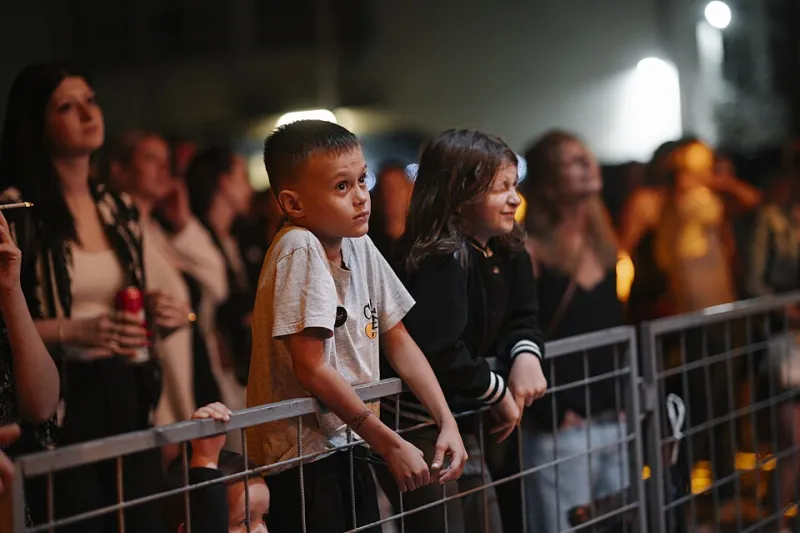
Photo: Shixart1985, CC BY 2.0, via Wikimedia Commons
I spent a Saturday in May this year in three different places at once, which is not possible, and yet it's what the city asks of you. A Fringe show at eleven, an open house in the Lanes at two, a friend's gig in Kemptown at eight, and a text at half nine from someone in Hove asking where everyone was. Nobody was anywhere. Everybody was everywhere. The whole day had the slightly frantic quality of a group chat trying to organise a picnic.
Brighton & Hove has an extraordinary cultural calendar. That's not the problem. The problem is that it isn't a calendar. It's a pile of calendars, each one optimised for itself, all stacked on the same small city with two railway lines and a road that closes whenever the wind gets ideas.
Every festival is somebody's best idea
Let's be clear: the people putting these things on are not villains and they're not careless. A festival is usually born out of a real gap — a scene that needed a room, a community that wanted to be seen, an artform nobody was programming. The organisers are, almost without exception, doing it on too little money and too much goodwill.
But individual brilliance doesn't add up to a coherent season. In practice you get: a Fringe and a Festival and an open houses trail all crowding May; a summer of Pride, gigs, food events and beach clean-ups fighting for the same stewards; a marathon and a bike ride closing the same coast road in the same fortnight; and then a strange, quiet lull in September that nobody planned and nobody enjoys.
We've heard from more than one Brighton-based performer who has played four events in five weeks in the same postcode, to substantially overlapping audiences, and earned less than the cost of getting there. That's not an audience problem. That's a scheduling problem wearing an audience problem's coat.
The hidden subsidy nobody costed
Here's the thing about a crowded calendar: the extra events don't come with extra money, extra volunteers or extra trains. They come out of the same pool.
The pool looks like this. Volunteers who do a nine-hour shift at one festival and get asked again three weeks later by another. Freelance artists doing a paid gig on Saturday and a "great exposure" slot on Sunday, because the second one is run by people they like and want to support. Venues squeezing in a third event in a week because turning it down feels like turning your back on the scene. And audiences — actual humans, with bank balances — deciding by July that they'll catch it next year.
The uncomfortable bit is that the squeezed middle of all this is the same group of maybe a few hundred people, doing a huge amount of unpaid coordination work. Brighton's cultural reputation runs on their WhatsApp admin.
Access is a timetable question
We talk about access mostly in terms of ramps and captions, and rightly. But access is also: can you physically get there, at that time, and get home again?
A late-night event in central Brighton with no bus after it finishes is not accessible to anyone who doesn't live within walking distance or can't afford a taxi. A Sunday morning slot in Stanmer Park is lovely unless you're on a shift pattern. A fringe venue up three flights of stairs is a decision somebody made. And when three big events land on one Saturday, the accessible parking, the quiet spaces, the loos and the last train all get claimed by whichever crowd arrives first.
We'd love to see every funded programme in the city publish a short, honest access note — travel, timings, ticket tiers, quiet hours — as a standard line in its application rather than a nice-to-have. It would take an afternoon to write. It would change who turns up.
Tourists, residents and the perfect Saturday
Nobody in Brighton & Hove is against visitors. The visitor economy keeps a lot of our cultural infrastructure standing.
But there's a real civic tension in a city of this size when the calendar's peak is designed for people arriving rather than people living here. Residents get a summer that's expensive, loud, and oddly hard to use — a beach you can't get to, a bus you can't board, a favourite pub that's a queue. Then they're asked to feel grateful for the cultural offer, and mostly they do, and mostly they're also knackered.
The progressive answer isn't to shrink the offer. It's to distribute it and to make the year-round stuff, the resident-facing stuff, the stuff in Whitehawk and Hangleton and Portslade, properly funded rather than treated as outreach for the headline season.
What coordination could actually look like
There's no culture tsar in this city and there shouldn't be. But there are things that could happen without a single new committee:
- A shared public calendar, published in advance and genuinely used, so programmes can see each other and choose not to collide. Not compulsory. Just visible.
- A small coordination fund — real money, administered openly — that pays for joint work: shared stewarding, shared transport, shared marketing between events on the same weekend.
- A protected quiet window in the shoulder months, with incentives to programme there rather than pile into May.
- Fees as a condition of funding. If you get public money for an event, the artists get paid, and there's a published minimum. No more "exposure" as a line item.
- A volunteer cap and a paid coordinator for the biggest events, because goodwill is a renewable resource only if you let it regenerate.
- A residents' pass with the transport and cultural bodies together: cheaper travel, priority booking, something that says thank you rather than mind the crowds.
More culture, or more of the same culture?
The honest worry is that a crowded calendar doesn't produce more culture — it produces more of the same culture, louder. The events with marketing budgets survive. The ones without become a hobby with a poster.
We'd rather have a city where there's one brilliant thing on a weekend and everyone can get to it, than five good things competing for the same hundred people and the same last train home. That's not a smaller ambition. It's a better one.
So: if you programme in this city, talk to somebody else who programmes in this city. Ideally before you both announce the same date.